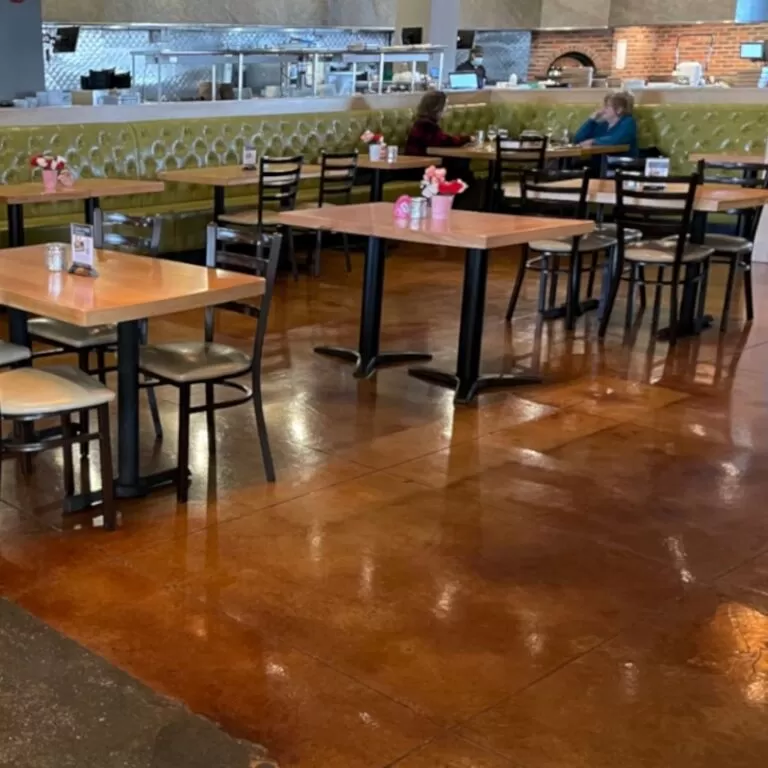
New Jersey has one of the most competitive and concentrated restaurant markets in the country. From Bergen County diners to Atlantic City hotel restaurants and Princeton gastropubs, operators across the state face intense pressure to maintain spotless kitchens, pass rigorous inspections, and keep staff safe on the job. Choosing the right restaurant kitchen flooring NJ solution is not simply about aesthetics or budget. It is about understanding local health department expectations, meeting commercial safety standards, and investing in materials that hold up under genuine daily punishment. Here is what NJ restaurant operators should know before making this decision.
New Jersey Health Code and Flooring Requirements
The New Jersey Department of Health follows guidelines consistent with the FDA Food Code, and local county health departments add their own layer of inspection standards. Commercially, floors in food preparation areas must be smooth, non-absorbent, and easily cleanable. Coved base molding where the floor meets the wall is required to eliminate hard-to-clean corners. Floors must be free of cracks, chips, or open seams that could harbor food debris or bacteria.
Inspectors in counties like Essex, Hudson, and Middlesex are known for thoroughness. A floor that might pass in a low-volume café may not satisfy a full-service restaurant inspection. Operators who work with experienced restaurant kitchen flooring NJ contractors tend to stay ahead of these requirements because a seasoned local installer knows exactly what inspectors look for.
Best Flooring Materials for New Jersey Kitchens
The climate in New Jersey also plays a role in material selection. Kitchens in buildings with older concrete slabs may deal with moisture migration, especially in basement-level or ground-floor spaces. Moisture-tolerant systems like cementitious urethane perform well in these conditions. Standard epoxy, while popular, can delaminate when applied over damp concrete.
Quarry tile remains common in older New Jersey restaurants and offers proven durability, though its grout lines require regular maintenance to stay compliant. Newer seamless urethane mortar systems are increasingly preferred by operators who want a low-maintenance, inspection-friendly surface that also looks clean and professional.
Slip resistance is critical in every kitchen, but particularly in high-traffic NJ restaurant environments where line cooks cover enormous distances during service. A floor rated for high wet-slip resistance directly reduces liability exposure and, over time, lowers insurance costs.
Finding the Right Flooring Partner in New Jersey
Not every general contractor understands commercial kitchen flooring at the level that a food service environment demands. NJ restaurant owners benefit from working with contractors who specialize specifically in food service environments. These specialists understand local code nuances, can recommend the right product for a specific kitchen layout, and back their work with meaningful warranties.
Operators searching for restaurant kitchen flooring NJ solutions should ask potential contractors about their experience with similar kitchen sizes, their familiarity with local county health departments, and the types of warranties they offer on both materials and labor.
Conclusion
Choosing the best restaurant kitchen flooring NJ solution is an investment in your kitchen’s safety, cleanliness, and long-term performance. New Jersey’s regulatory environment and competitive restaurant scene make this decision even more consequential. Work with experienced professionals, prioritize compliance-ready materials, and treat your floor as the operational foundation it truly is.
Author

Barbara@rak-krovi.com
Related Posts

Perches Guide: Improve Bird Comfort and Health
Birds spend most of their lives standing, resting, climbing, and sleeping on perches, which makes them one of the most important accessories...

Nurturing Your Newborn: The Ultimate Guide for Parents
Welcoming a newborn into your life is a beautiful, yet challenging journey. Every parent wants the best for their child, but sometimes...
Read out all
How a Tokyo Travel Package Can Transform Your International Business Networking
Business travel has evolved into something far more strategic than simply showing up for a meeting. Entrepreneurs and executives who plan their...
Read out all
Smart Strategies for Homeowners in a Changing UK Market
Selling a home in the United Kingdom has become more dynamic than ever before. With shifting buyer expectations, digital property platforms, and...
Read out all
Crafting Meaningful Words with Timeless Style: Why Choosing Wooden Pens Transforms Everyday Writing
In a world filled with disposable tools and digital shortcuts, there’s something deeply satisfying about holding a writing instrument that feels personal, warm, and...
Read out all
Why Your Business Location Deserves a Professional Floor Upgrade
Walk into any successful retail store, auto dealership, or production facility, and the first thing you will notice underfoot often tells you...
Read out all